

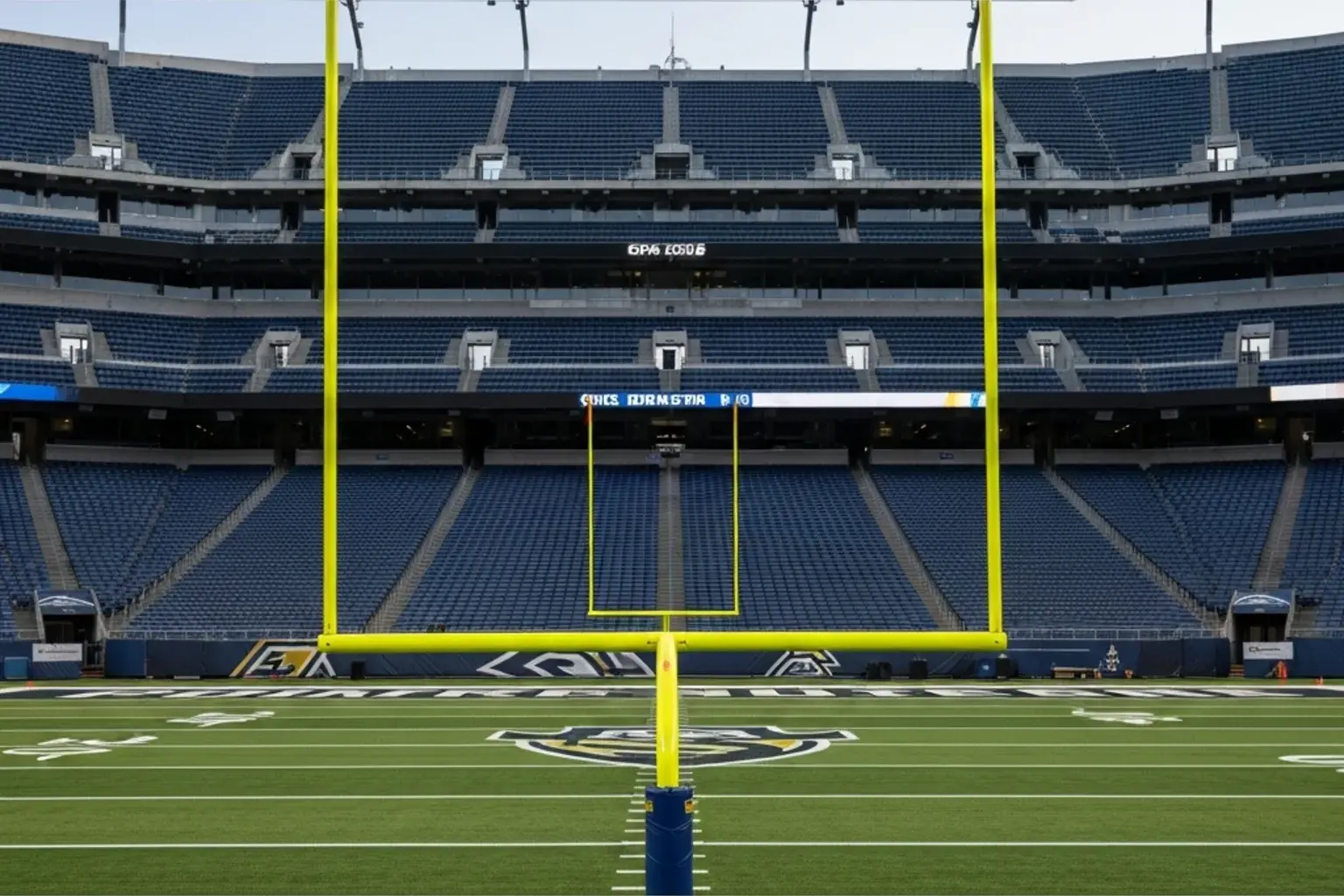
Stadium Adjustments: Quantifying NFL Home Field Advantage in Modern Markets
When I started betting NFL seriously, the rule of thumb every guide repeated was that home field advantage in the NFL was worth 3 points. Bet on the home team, the line gives them 3 points worth of credit; bet on the away team, the line takes 3 points away. Easy. The problem was that by the time I’d learned the rule, it had already started becoming wrong. By the late 2010s, the actual measurable home field advantage had drifted closer to 2 points, and in some seasons closer to 1.5. The pandemic-era 2020 season – fanless or near-fanless games – produced almost no measurable home advantage at all.
Home field advantage in the NFL has been changing structurally for a decade, and most recreational punters still bet based on the rule they learned from older guides. That gap is where some of the cleanest spread-betting edges live in the current market. Trading desks have updated their models. Many casual bettors haven’t.
This is the working view on home field advantage I’d hand to someone trying to evaluate it sensibly. Not a single number, but a structured framework that accounts for which teams have meaningful home environments and which don’t, and how the modern game has changed the underlying mechanics.
The traditional 3-point assumption
The 3-point home advantage rule has its origins in decades of NFL data from the 1970s through the early 2000s, when home teams covered the spread at rates that implied roughly 2.7-3.2 points of home-field worth. Trading desks built it into their pricing models, and the public learned it as a betting heuristic.
What drove the historical advantage: louder, more hostile crowds in older stadiums affecting opposing offences (false start penalties, missed snap counts, communication breakdowns). Long flights for road teams crossing multiple time zones, particularly West Coast teams travelling east for 1pm ET kickoffs. Less consistent referee patterns that occasionally tilted in favour of home teams on borderline calls. And lower-quality road accommodations and travel logistics than the modern game provides.
Most of those factors have eroded. New stadium designs are quieter (luxury suites, larger concourses, more glass and steel rather than concrete bowl design). Charter flights and dedicated travel logistics teams have neutralised most of the road-travel disadvantage. Referee crews are now monitored more rigorously and their calls are more consistent. The cumulative effect: measurable NFL home field advantage has declined steadily for two decades.
The current consensus among sharp NFL bettors is that league-wide home advantage is around 1.5-2 points. Some specific stadium environments still produce 2.5-3 points. Others produce essentially zero. The 2025 NFL regular season saw favourites cover the spread only 47.8%, down from 53.3% in 2024, and the home-team component of that distribution shift suggests home favourites in particular have struggled to live up to the implied advantage built into recent lines.
Stadium-specific environments
Not all home advantages are equal. A handful of NFL stadiums genuinely produce meaningful environmental advantages; the majority produce something between negligible and modest.
The stadiums with the strongest measurable home advantage are typically the loudest and the highest-altitude. Seattle’s stadium has long been considered the loudest in the league, and the measured crowd-noise impact on opposing offences (false starts, missed snap counts) has shown up in spread-cover differentials for years. Denver’s altitude is a genuine physical factor – visiting teams perform noticeably worse, particularly in the second half when conditioning matters. Kansas City has produced strong home advantage in recent years partly through crowd noise and partly through scheme advantages tied to specific personnel.
The stadiums with the weakest home advantage are typically the newest ones built with luxury-focused designs. Modern stadiums with corporate-heavy seating, large concourses, and quieter acoustic profiles produce less of the crowd-noise effect that historically tilted home games. London Games at Wembley and Tottenham Hotspur Stadium effectively have no home advantage because both teams travel, and the resulting outcomes have historically been close to neutral.
Outdoor stadiums in cold-weather markets retain some home advantage in late-season games against warm-weather opponents who are unfamiliar with the conditions. The advantage isn’t the cold itself – modern NFL teams play in cold reasonably well – but the wind patterns specific to certain stadiums (Buffalo and Chicago in particular). Visiting kickers tend to underperform their season averages in those venues.
Domed and retractable-roof stadiums produce home advantage primarily through crowd noise. Some indoor venues amplify sound to a degree that’s genuinely difficult for visiting offences to communicate through. Others have larger interior volumes that diffuse sound and produce less of the effect.
Divisional games and familiarity effects
One factor that consistently moves home advantage in measurable ways: how often the visiting team plays in that specific stadium. Divisional opponents play in each other’s stadiums every year, and the visiting team’s familiarity with the venue erodes the home advantage compared to non-divisional matchups.
The data supports this. Home teams in divisional games cover the spread at a meaningfully lower rate than home teams in non-divisional games, after controlling for team quality. The mechanism is that divisional opponents have practiced communicating in the loud environment (their offensive linemen know the snap-count system they need to use), their travel logistics are well-rehearsed (often a short flight or even a bus ride), and the coaching staff has accumulated game-tape against the home defence specific to that venue.
The implication for betting: home divisional favourites are often overpriced because the model still applies a home-advantage adjustment that’s larger than the divisional context justifies. Conversely, home non-divisional favourites against teams from other conferences travelling long distances retain more of the traditional home advantage.
The 65.9% rate at which favourites won outright in 2025 (down from 71.7% in 2024) was partly a divisional-game story. Divisional underdogs outperformed their implied probability rates significantly, particularly in second meetings within the same season. Coaches had time to scheme adjustments based on the first meeting, and the familiarity component of the home advantage was further eroded.
Travel and rest factors
Beyond the stadium environment itself, two related factors affect home-team performance: travel distance for the visiting team and the rest differential between the teams.
West Coast teams travelling to Eastern time zone games for 1pm ET kickoffs have historically been one of the most reliable underperforming spots in NFL betting. The 1pm ET kickoff is 10am Pacific time, which is roughly when West Coast players would normally be eating breakfast, and the body-clock disadvantage is measurable. Visiting West Coast teams in East Coast 1pm games have historically covered the spread at meaningfully lower rates than their season averages would suggest. The market generally adjusts for this, but not always fully.
The reverse trip – Eastern teams travelling West for late-afternoon or evening games – produces a much smaller travel penalty. The body-clock shift is in a less disruptive direction, and players tend to be sharper in the second half of these games rather than groggier.
Short-week travel (Thursday Night Football for a team that played the prior Sunday) compresses preparation time, with the away team in a Thursday game typically the more disadvantaged of the two. Both teams play on short rest, but the away team also has to travel, which compounds the recovery disadvantage. Home teams in Thursday night games have covered at a slightly higher rate than the consensus would suggest, particularly against teams travelling cross-country.
Bye weeks introduce another rest-differential factor. A team coming off a bye facing a team coming off a normal week has slightly better rest. The historical evidence on whether this produces a meaningful betting edge is mixed – some studies show a small effect, others show essentially nothing. My personal read is that the bye-week advantage is real but small (worth perhaps half a point in implied probability), which means it’s usually already priced into the line and not worth chasing as a primary betting angle.
Adjusting your model for home advantage
The practical approach to home advantage in NFL betting that I’d recommend:
Start with a base assumption of 1.5-2 points of home advantage league-wide, not 3. This single adjustment puts you ahead of the recreational majority who still bet on the older rule.
Adjust upward for specific stadium environments: Seattle, Denver (altitude), Kansas City, and Buffalo (weather) all justify slightly higher adjustments, perhaps 2.5-3 points in matchups where the environmental factors apply. Lambeau Field in Green Bay holds its home advantage in cold-weather late-season games but loses much of it in September. Adjust downward for newer stadiums with quieter environments and for indoor venues that don’t produce strong crowd noise effects.
Adjust further downward for divisional games. The familiarity factor reduces home advantage in divisional matchups by roughly half a point compared to non-divisional games. This is especially true for second-half-of-season divisional games where the teams have played once already and the visiting coaches have prepared specifically for the home environment.
Account for travel patterns. West Coast teams visiting East Coast 1pm games face a real disadvantage that the market sometimes underweights. Thursday Night Football aggregates short-rest factors that vary by which team has the harder logistics. The sharp vs square money piece covers how professional bettors track these structural factors more systematically than recreational punters typically do.
The 290 million online sports bets placed monthly across the UK include a substantial volume bet on home teams in conditions where the implied home advantage is bigger than the actual modern advantage. The 1.1% statutory levy on operator GGY introduced in April 2025 doesn’t change the underlying dynamics, but it’s a reminder that operators are running profitable books partly because recreational pricing assumptions about home advantage haven’t fully caught up to the structural changes in the modern NFL. Punters who update their priors are leaving the broader betting public’s mistakes available for capture.